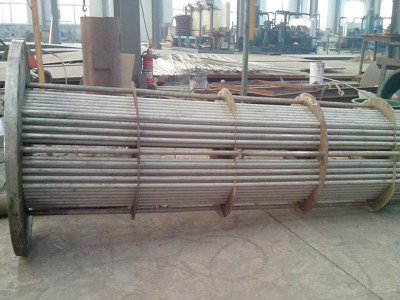
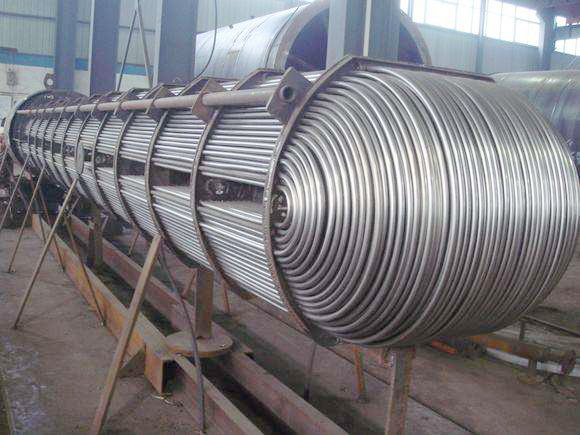
Stainless steel tube heat exchanger
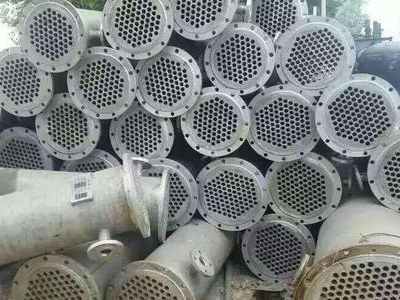
Stainless steel tube heat exchanger If for some unexpected reasons (such as the user's home heating water operation), there is a large amount of moisture loss in the heat exchanger circulating water loop, quickly close the main air valve of the heat exchanger (the air inlet valve of the heat exchanger unit part), open the trap bypass valve and stop circulating water Pump, organize relevant personnel to find out the cause of water loss in the heat exchanger, determine the water loss branch pipe in the heat exchange network, close the heat exchanger branch valve, and quickly restore heat to the rest of the network. First, start the heat pump circulation pump to allow the secondary water system to circulate, and wait until the heat exchanger water supply system operates normally.
The heat exchanger is mainly divided into corrugated plates at certain intervals and surrounded by gaskets, and is formed by overlapping the frame and compression screws. The four corner holes of the stainless steel tube heat exchanger plate and the gasket form the fluid distribution tube and the collection tube.
Stainless steel tube heat exchangers need to implement detailed process control for overhaul. Before installing and unloading the molecular sieve of the heat exchanger, a blind plate should be added to the flange of the central tube, and supervision responsibilities should be assumed. The inspection and acceptance procedures for the heat exchanger should be strictly implemented, and the quality of repairs should be strictly controlled. After the heat exchanger is overhauled, the process steps should be further improved, the dangers and hidden dangers that may be caused to the equipment during the overhaul process should be fully assessed, and corresponding emergency plans should be formulated to minimize the possibility of heat exchanger failure.