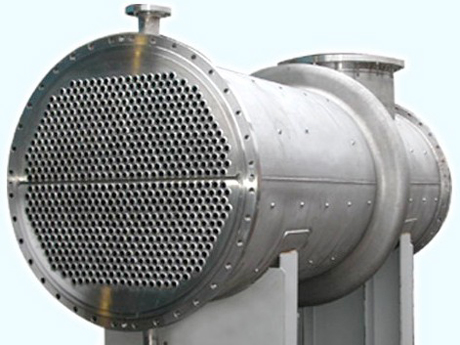
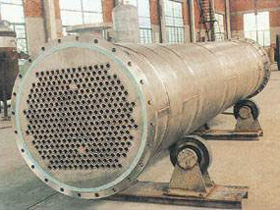
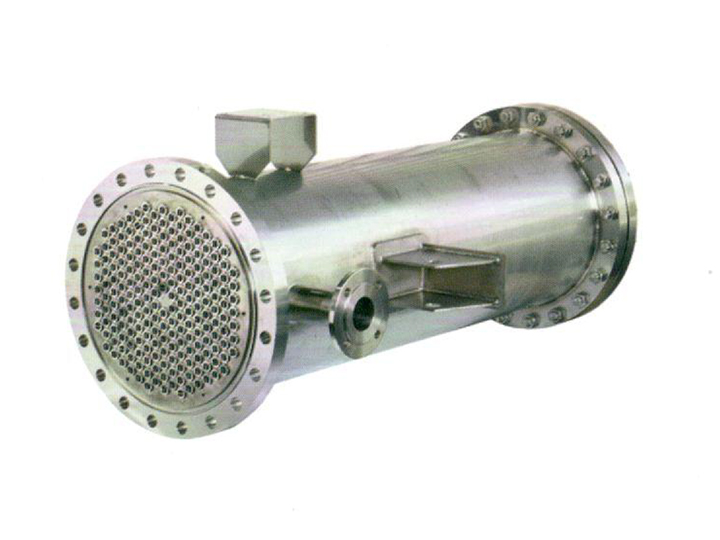
Tube and tube heat exchanger
The plate type or corrugated type of tube heat exchanger should be determined according to the actual needs of the heat exchanger heat exchange situation, where the flow rate is large and the pressure drop is small. On the contrary, the type of plate with high resistance is selected. According to the fluid pressure and temperature, the detachable type is determined to still be brazed.
When determining the type of heat exchanger plate, it is inappropriate to choose a plate with a single plate area that is too small to avoid too many plates, the flow rate between the heat exchanger plates is too small, and the heat transfer coefficient is too low. Therefore, the equipment should be checked frequently. If the pressure drop of the heat exchanger is greater than the allowable pressure drop, the design selection calculation must be repeated until the process requirements are met.
According to their different materials, tube heat exchangers are divided into two categories: metal heat exchangers and ceramic heat exchangers. The thermal conductivity of metal heat exchangers is large. Under the same heat exchange capacity, the volume it occupies is small, only one-tenth of the clay heat exchanger or even smaller. Metal heat exchangers are generally welded and have good air tightness.
use
Tube and tube heat exchanger is a commonly used heat exchange equipment. It is suitable for chemical industry, metallurgy, petroleum, medicine, food, light industry and other industries. According to the form, it can be divided into fixed plate type, floating head type,UType tube heat exchanger. According to the structure, it is divided into single-pass, double-pass and multi-pass. According to the material, it is divided into titanium, duplex steel, stainless steel and carbon steel, which can be customized according to user needs.
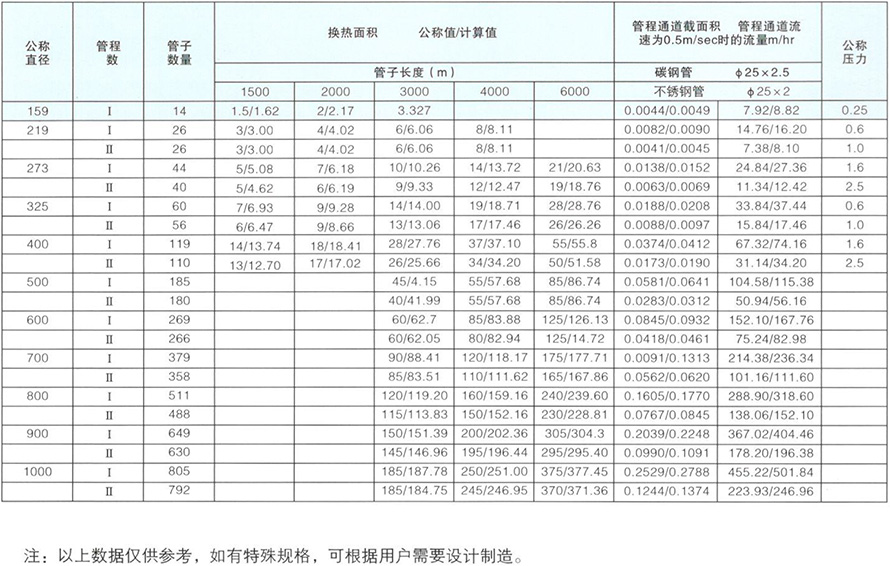
Technical parameters