Three main factors in heat exchanger design:
1. Aesthetics: The heat exchanger should use the golden section as much as possible and pipe joints should be avoided as much as possible.
2. Safety. Materials should be selected according to the shape of the heat exchanger storage components to ensure the strength and rigidity of the workstation. The corners of the welded pipes should be bent as much as possible. The dial-in is bent outwards to grind burrs and uneven welds. The exposed sharp corners of the heat exchanger should be rounded or chamfered to avoid injury.
3. The fixed turnover box rack on the heat exchanger assembly line should adopt a sloping table to facilitate the smooth movement and pickup of parts.
Treatment measures after leakage of stainless steel tube heat exchanger:
Anyone who has been engaged in the chemical industry for a long time will be familiar with heat exchanger leaks, and product leaks can also cause serious consequences. So, what is the solution when it is leaked?
When a leak occurs, the feed water pressure is reduced and the amount of feed water sent to the boiler is reduced. Therefore, when leakage in the stainless steel tube heat exchanger pipe system is discovered, the operation must be stopped immediately to reduce the number and degree of damage to the pipes. When the unit is out of service, you should check whether there is any leakage of Gaojia and find ways to eliminate it.
For port leakage, the original weld metal should be scraped off and then repaired, and appropriate heat treatment should be performed to eliminate thermal stress. For leakage in the pipe itself, the form and location of the leakage in the pipe bundle should be first identified, and a suitable plugging process should be selected to block the two ports of the pipe. No matter what pipe plugging process is used, in order to ensure the quality of the pipe plugging, the end of the plugged pipe must be well treated to make the tube plate and tube hole round and clean, and have a good contact surface with the plug. If there are cracks or erosion at the connection between the pipe and the tube sheet, the original pipe material and weld metal at the end must be removed to ensure that the plug is in close contact with the tube sheet.

 Stainless steel tube heat exchanger
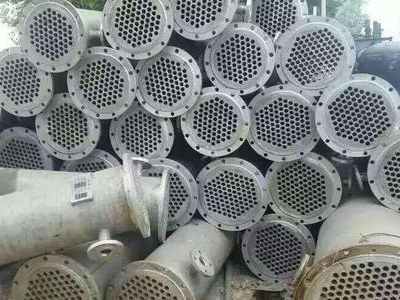 Stainless steel tube heat exchanger
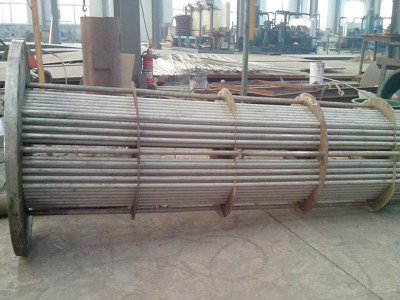 Stainless steel tube heat exchanger
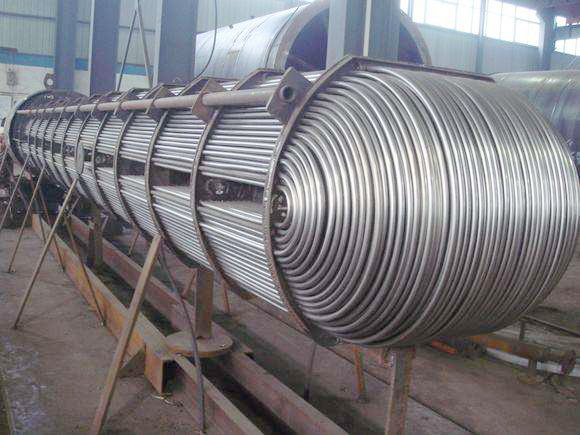 Stainless steel tube heat exchanger
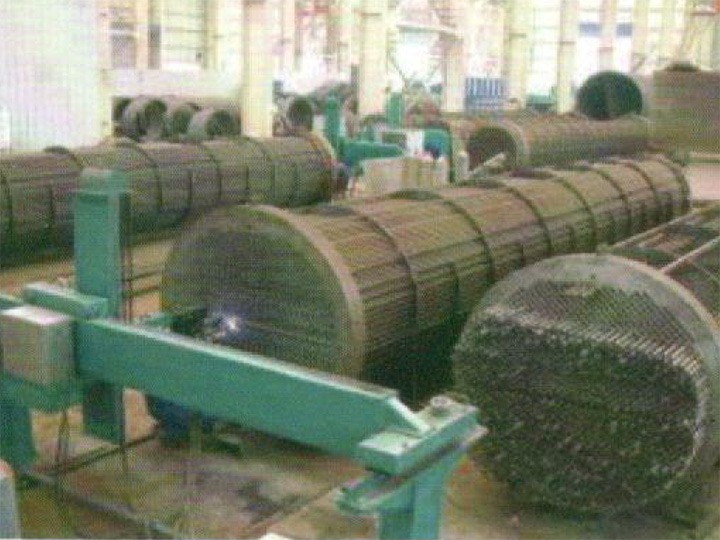 Stainless steel tube heat exchanger
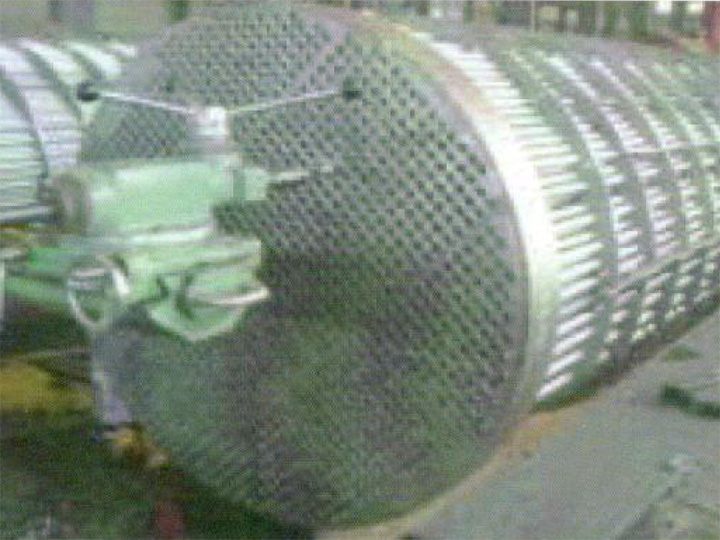 Stainless steel tube heat exchanger
