The heat exchanger in the evaporation equipment uses cooling water to cool the secondary steam. It can be divided into two categories, one is indirect heat exchanger and the other is direct heat exchanger. Indirect heat exchangers are also called surface heat exchangers, including tube and tube heat exchangers, coil heat exchangers and plate heat exchangers. The heat transfer area of the heat exchanger must be large, otherwise the secondary steam entering the heat exchanger will be difficult to be completely cooled and the evaporation temperature will rise, thus affecting the production capacity. In addition to the appropriate selection of the heat transfer coefficient of the heat exchanger, some factors that directly affect the heat transfer effect cannot be ignored when calculating the heat transfer area of the heat exchanger.
The operation adjustment of the heat exchanger mainly adjusts the water supply temperature and flow rate according to weather changes. The operator mainly controls the outlet water temperature of the unit by controlling the superheated steam inlet flow rate of the heat exchanger. When the outdoor temperature is high, the temperature is controlled by controlling the number of heat exchanger operating units and adjusting the inlet flow rate.
However, please pay attention to minimizing the frequency of opening the heat exchanger to prevent seal leakage due to frequent opening and closing. When the heating load is reduced, it should be noted that the steam pipe is hydrophobic to prevent water hammer in the heat exchanger. Operation adjustments should be coordinated by the entire heat exchanger system.
When the flow rate of hot and cold media in the heat exchanger is relatively large, bypass pipes can be installed at the inlet and outlet of the heat exchanger on the large flow side to reduce the flow of the tube heat exchanger into the heat exchanger and reduce resistance. To facilitate adjustment, a regulating valve should be installed on the heat exchanger bypass.
This method should adopt a counter-flow arrangement to make the temperature of the refrigerant heat exchanger higher and allow the temperature of the refrigerant after the heat exchanger outlet to meet the design requirements. The heat exchanger bypass pipe can ensure that the plate heat exchanger has a high heat transfer coefficient and reduces the resistance of the heat exchanger, but the adjustment is slightly more complicated.
According to the material, it is divided into three types: carbon steel tube heat exchanger, stainless steel tube heat exchanger and carbon steel and stainless steel hybrid tube heat exchanger. According to the form, it is divided into fixed tube plate type, floating head type,UType tube heat exchanger. According to the structure, it is divided into single tube pass, double tube pass and multi-tube pass, which can be customized according to user needs.
Once the heat exchanger has insufficient heat supply, it will often lead to many problems. Today, the editor will analyze to you the characteristics of insufficient supply and the reasons for this phenomenon. If the equipment provides insufficient heat, it will not be able to meet our design and production needs. The reasons for this phenomenon are as follows:
1, when the cold side temperature of the heat exchanger is low, and the high and low temperature temperatures are low, insufficient column heating occurs.
2, due to severe pollution, it is often dirty. At this time, it is necessary to pay attention to cleaning and maintenance work to avoid clogging problems during operation.
3, Uneven flow also leads to large temperature difference on both sides and small pressure drop. At this time, we only need to increase the flow rate or diameter of the tube heat exchanger.


 Carbon steel tube heat exchanger
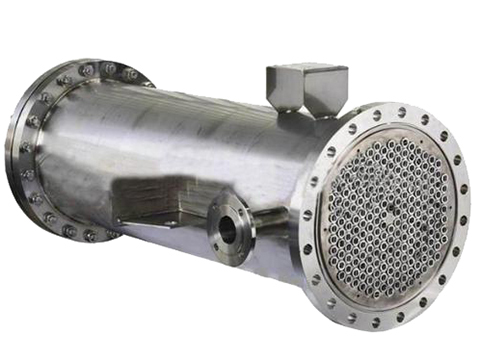 Carbon steel tube heat exchanger
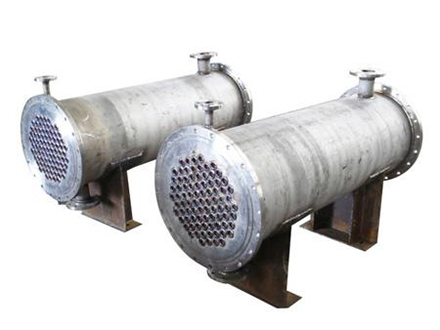 Carbon steel tube heat exchanger
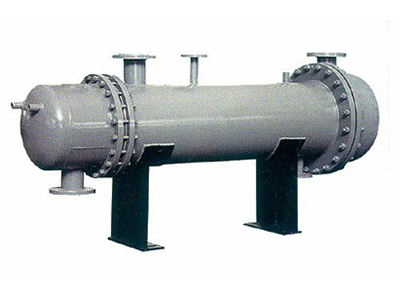 Carbon steel tube heat exchanger