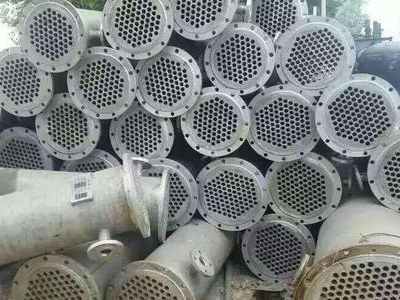
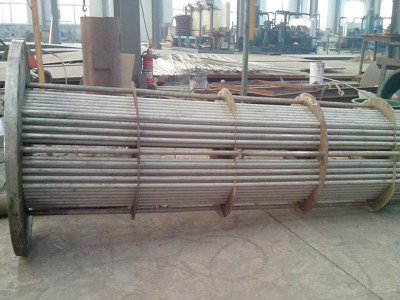
Stainless steel tube heat exchanger
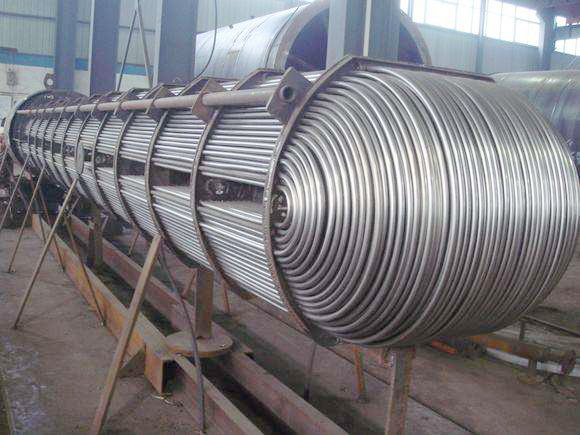
The structural design of stainless steel tube heat exchangers includes the following:
1, According to the working temperature and working pressure of the heat exchanger, as well as the thermal design and resistance calculation results, determine the materials and sizes of each part to maintain the performance of the heat exchanger during stable operation.
2. Select the welding method and sealing material according to the operating temperature, pressure and fluid properties of the heat exchanger.
3, with the goal of ensuring the uniformity of fluid distribution, the design of heads, headers, pipes and partitions, etc.
4. In order to comply with the structural design of the thermal and resistance performance of the stainless steel tube heat exchanger, the strength of the main components must be checked to avoid damage due to insufficient strength under harsh working conditions or waste due to excessively thick material selection.
5, maintenance (including cleaning, repair and maintenance, etc.) and transportation requirements should be considered.
6. For some stainless steel tube heat exchangers working under special conditions, some need to calculate their thermal stress during start-up and shutdown periods, account for structural changes caused by fluid flow, or check the flow rate in order to reduce corrosion and scaling of the heat exchanger. In short, structural design and thermal design are of the same importance. When designing a heat exchanger, both needs to be taken into consideration and should be coordinated with each other.