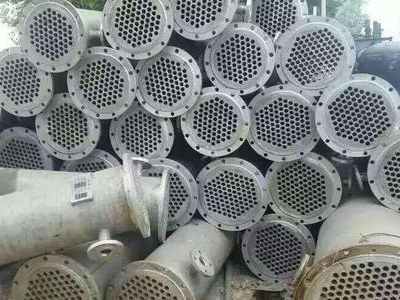
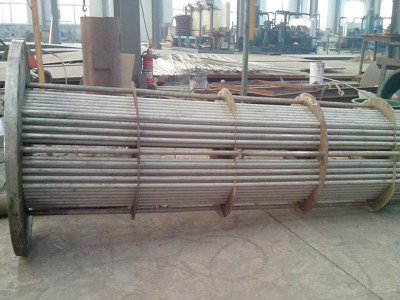
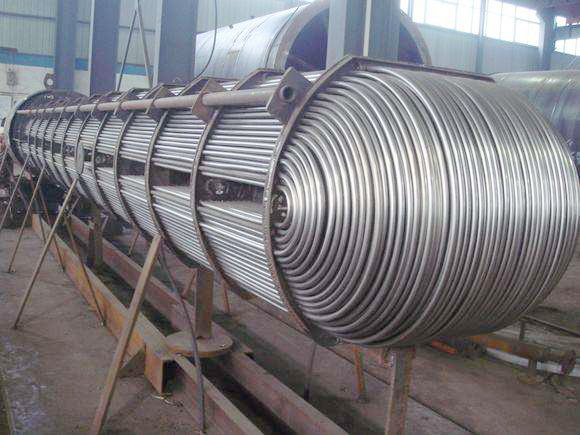
Stainless steel tube heat exchanger
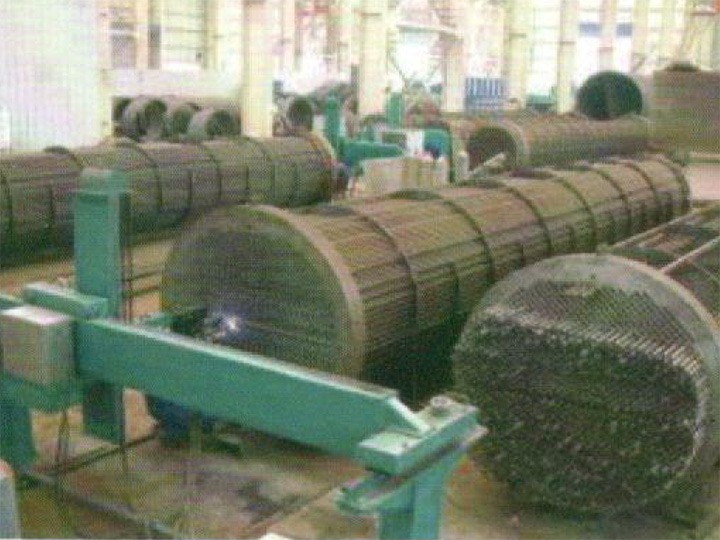
Co-current flow means that the exhaust gas and air in the heat exchanger flow in parallel and in the same direction. Counter-flow type means that the exhaust gas and air flow in the opposite direction in the heat exchanger. If the two air flows flow perpendicular to each other, it is called cross-flow. In addition to these basic forms, there are many flow modes of exhaust gas and air, which are combinations of these three basic forms, such as orthogonal co-flow type, orthogonal counter-flow type, etc.
The flow path geometry designed by the stainless steel tube heat exchanger, the heat transfer medium achieves high heat exchange efficiency, greatly reduces the amount of cooling water, and saves the installation cost of the valve. The two seals of the heat exchanger are designed between the plates, and there are also signal holes.
Once a leak occurs, it may be external, which prevents the two media from mixing and triggers a safety alarm. Because the two media are filled with countercurrent and high conduction heat effects, the temperature of the two media plate heat exchangers can reach1°C, it is a device for recycling waste heat. Under the same conditions, the heat transfer coefficient of the heat exchanger is selected through reasonable selection of flow resistance loss, the design of the stainless steel tube heat exchanger plate corrugation and the high thermal conductivity of the film. The plate corrugation forms a special flow path, and the fluid can experience strong turbulence at very low speeds, which is helpful in preventing the heat exchanger from fouling and affecting the heat transfer efficiency.