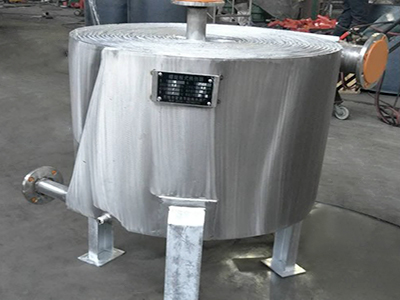
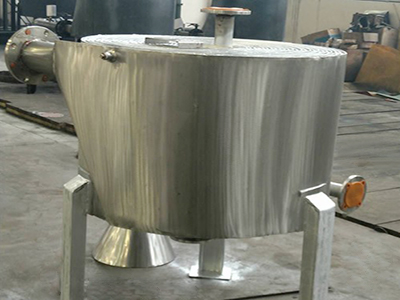
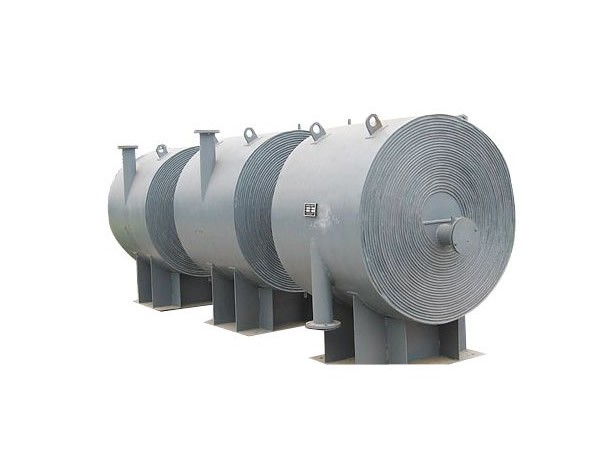
YSLSpiral plate type strong oil-water cooler for transformers
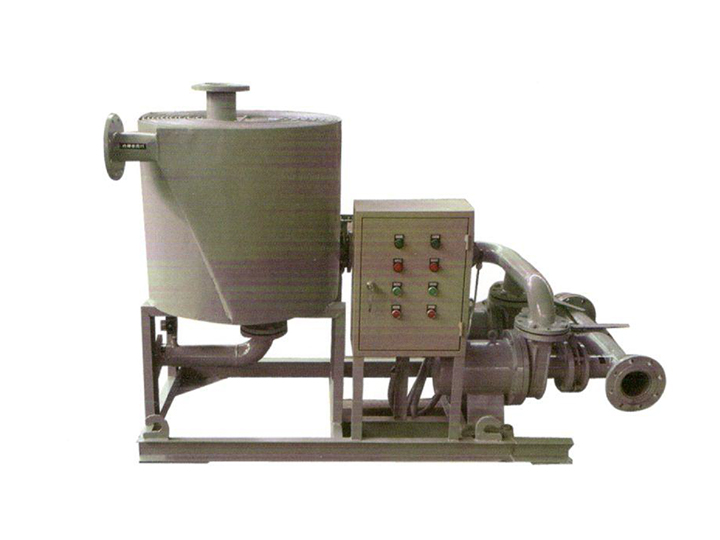
Structural features and working principles
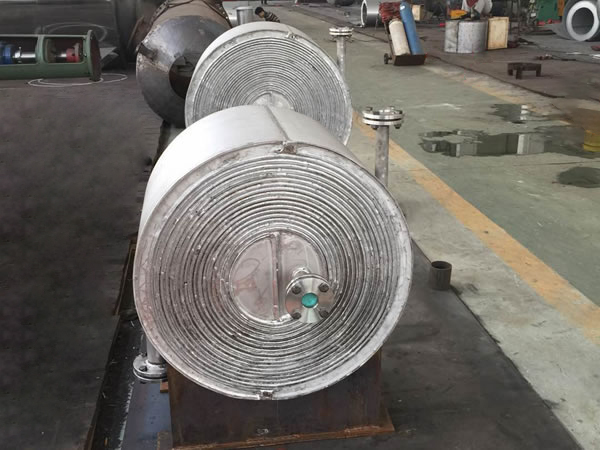
Spiral plate cooler is a widely used heat exchange equipment with high heat transfer efficiency and small resistance loss. It has the advantages of stable and reliable operation, compact structure and low price. At present, it has been widely used in petrochemical refrigeration, organic chemical food, dye alkali production, pharmaceuticals, machinery, metallurgy and other industrial sectors. The spiral plate strong oil-water cooler is composed of two sheets with a thickness of2- 3mmA spiral body rolled into two uniform spiral channels. The first and last ends of the two spiral channels, that is, the upper and lower sides of the spiral body and the outer edge of the spiral body are welded in the tangential direction.
Pipe and flange, there is a load-carrying liquid (oil and water) in the two channels in a full counter-current state for heat exchange. The cooling area is the sum of the unfolded lengths of the two steel plates times the width of the steel plates. In order to enhance the stiffness of the steel plate and increase the critical pressure of the spiral body, at the same time- -Welded on the phase surface-Fixed density columns with fixed distances can also increase the turbulence of the fluid, increase the Reynolds number, and improve the heat transfer efficiency.
Since there is no major reversal of fluid in the spiral channel with uniform curvature, the resistance is small and there are no dead ends. In order to improve the heat exchange effect, the fluid flow rate in the channel is usually relatively high, which can prevent the channel from being blocked by dirt, and the channel itself has a self-cleaning effect. In addition, there are exhaust (liquid) holes in the two spiral channels for easy operation and for sampling and testing.
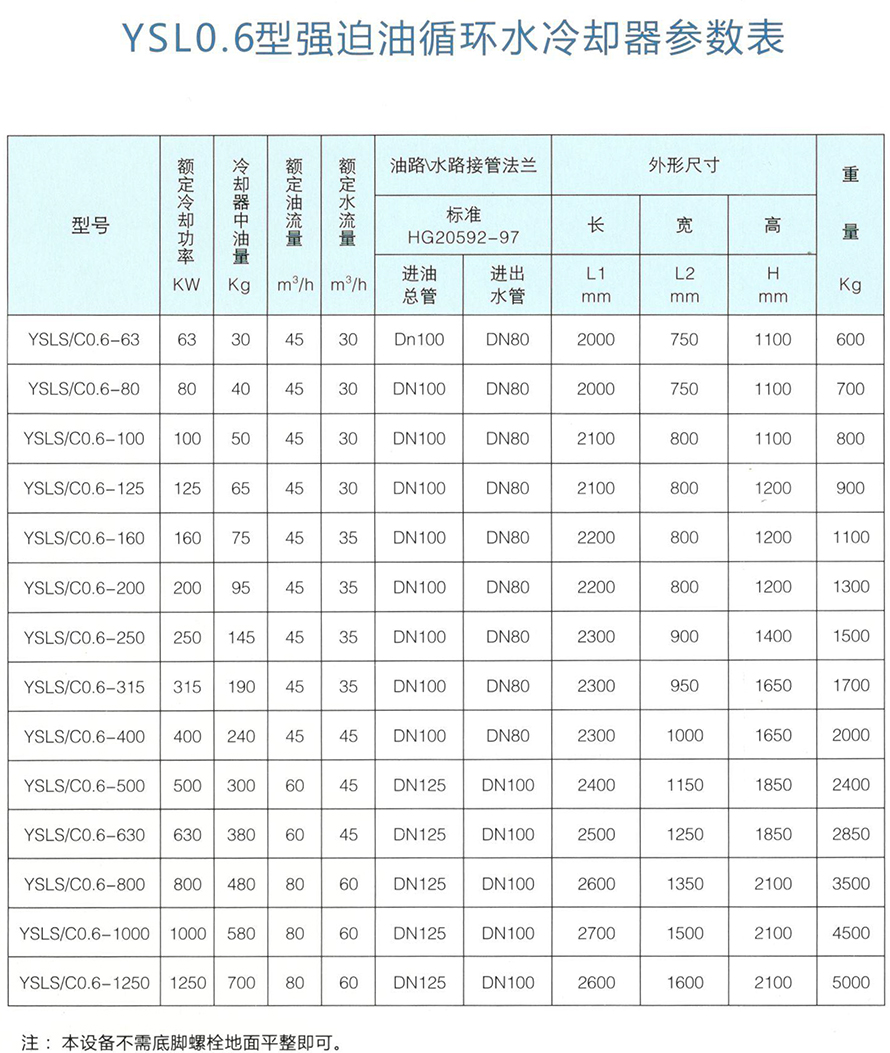
YSL0.6Type parameters of strong cooler for transformer
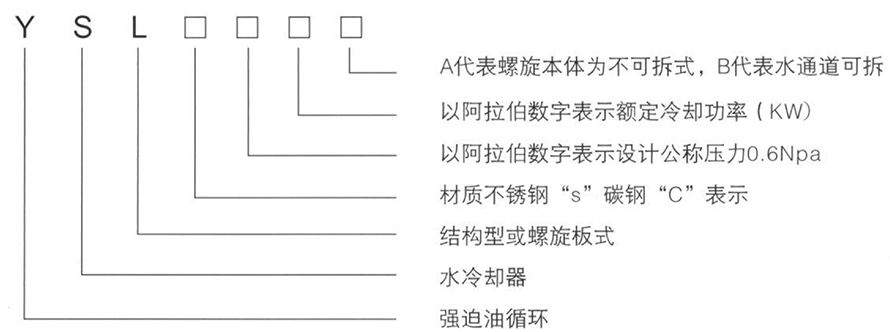
example1:YSLS-0.6- 160-AIt is a non-detachable spiral plate cooler, made of acid-resistant stainless steel, and the design pressure is6Mpa.The heat exchange area is16m21cooling power160KW).
example2:YSLC-0.6-200- BIt is a detachable spiral plate cooler with water channel, made of carbon steel, and the design pressure is0.6Mpa.The heat exchange area is20m2 (The cooling power is200KW).
Features
1, high heat transfer efficiency
The total heat transfer coefficient can reach3300Kcal/ m2.h. C , the heat transfer effect is better thanYF The heat transfer coefficient of (air-cooled) spiral plate cooler is higher than that of traditional tubes1-3times, thus saving energy and having good economy.
2, less heat loss
This oil cooler has a compact structure, small floor space and small exposed surface area. If the normal temperature fluid flows from the outer edge channel to the center of the oil cooler, no insulation is required.
3, reliable structure
The oil and water channels are rolled as a whole plate and welded and sealed to ensure that the oil and water will not mix during heat exchange, so that the transformer can operate safely.
4, self-cleaning function
This oil cooler can appropriately increase the liquid flow rate and improve the heat transfer effect while ensuring that the channel pressure does not drop significantly. The liquid flows in a spiral shape and has an automatic cleaning function, so dirt is not easily deposited, thus reducing downtime for maintenance and saving maintenance costs.
Technical parameters
1, nominal pressure regulations plus6Mpa 1.OMpa(Note: refers to the maximum working pressure a single channel can withstand. The test pressure of our factory is the design pressure.1.25times).
2, Allowable working temperature: The allowable temperature range of carbon steel heat exchanger is:1C +200C, the allowable temperature range of stainless steel heat exchanger is1C+900C, The allowable temperature rise and fall range of carbon steel heat exchangers is in accordance with relevant operating regulations.
3. When selecting equipment, appropriate process calculations should be used to select the appropriate working state of the fluid so that the fluid in the oil cooler channel reaches a turbulent state (general liquid flow rate≥1m/sec. )
4, users can choose different materials according to different working conditions. In this manual, the symbolsCRepresents carbon steelQ235Amaterial, symbolSIndicates stainless steelSUS304.321.316LMaterial.
5When using a single cooler, double oil pumps are generally used. One device is used and the other is used as a backup. If a single device cannot meet the usage requirements, multiple devices can be used in combination, but the combination must meet the following regulations:
( 1) Parallel combination: limited to heat exchangers of the same specification;
(2) Series combination: The plate weight and channel spacing of the heat exchanger should be the same.
(3) Mixed combination: One channel is connected in parallel, and the other-Channels are connected in series, only for heat exchangers of the same specification.
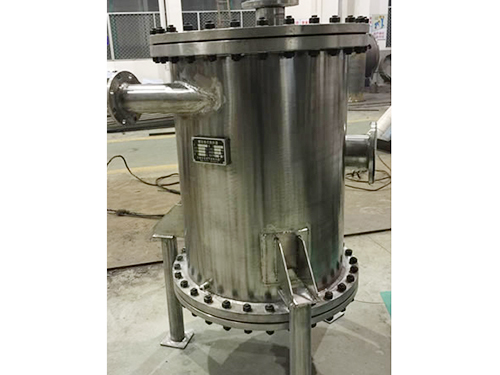
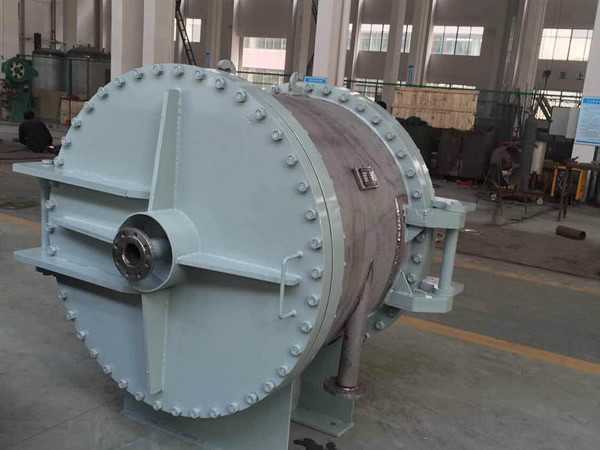
6, Installation form: horizontal and vertical. In order to completely drain the materials after parking to avoid freezing cracks and damage in winter, the formula is usually used.
7, The position of the oil cooler connection tube is subject to the product factory drawing, and the nominal diameter of the connection tube is as shown in the table.-Select. If the user has special requirements, he or she can negotiate with the technical department of our factory. After the user selects the specifications, he or she can send a letter to request a reference drawing of the overall dimensions.
YSL0.6type transformer Selection and installation of oil cooler
1, oil cooler and selection and use
At present, our factory already has a series of models for the oil cooler selected for electric furnace transformers (see Table 1). The cooling medium is water, and the maximum inlet temperature of the cooling water cannot exceed30C.Otherwise, the cooling effect will be affected. If necessary (electrical contacts and thermometers can be installed at the water inlet, and users can connect external monitors.) This needs to be mentioned when ordering.
The quality of cooling water should meet the following indicators:
Turbidity≤50mg/L, calcium carbonate100~ 200mg/L.Calcium sulfate1500-2000mg/L.iron0.1mg/L,manganese0. 1mg/L, hydrogen sulfide0.5mg/L, chloride ions (Ce)≤25mg/L. PHvalue=7. Cooling water saturation index1>0 ( if1<0Will tend to corrode stainless steel)The cold source medium is clean circulating water. When using river water, a filter must be added to prevent other debris in the river water from flowing into the cooler, causing blockage and other phenomena, affecting the cooling effect. If possible, the cooling water can be softened before use to avoid causing dirt and affecting the cooling effect. When using hard water from deep wells, it must be softened. After the water channel of the cooler is scaled, you can ask a boiler cleaning company to clean it. The time can be determined according to the water quality and cooling effect. If conditions permit, boiler descaling agent can be used for cleaning.
Here's how:
Add boiler descaling agent (powder) by 10005Dissolve it in clean water and circulate it for several hours, then open the drain valve (under the cooler water inlet pipe) and rinse it with clean water. For units with poor water quality and no cleaning conditions, a detachable cooler can be used as the water channel (Btype). The water channel can be opened for cleaning, but the equipment cost is high.