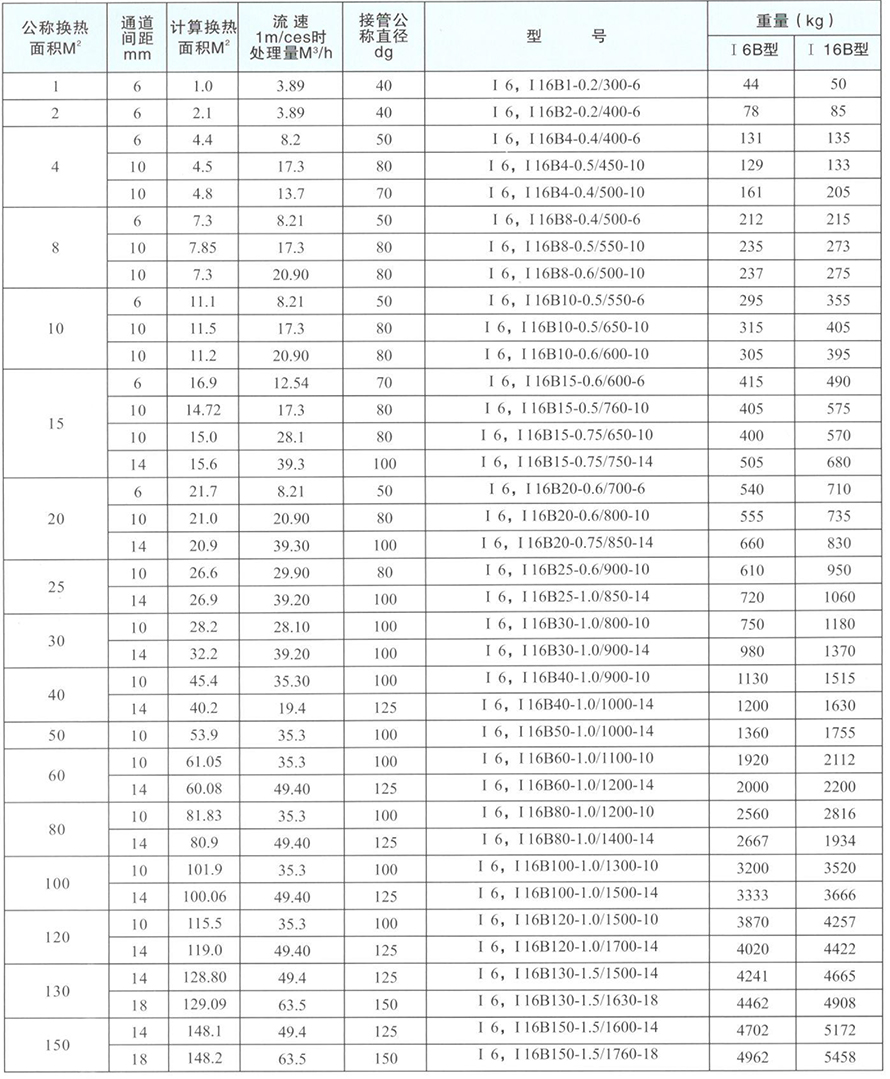
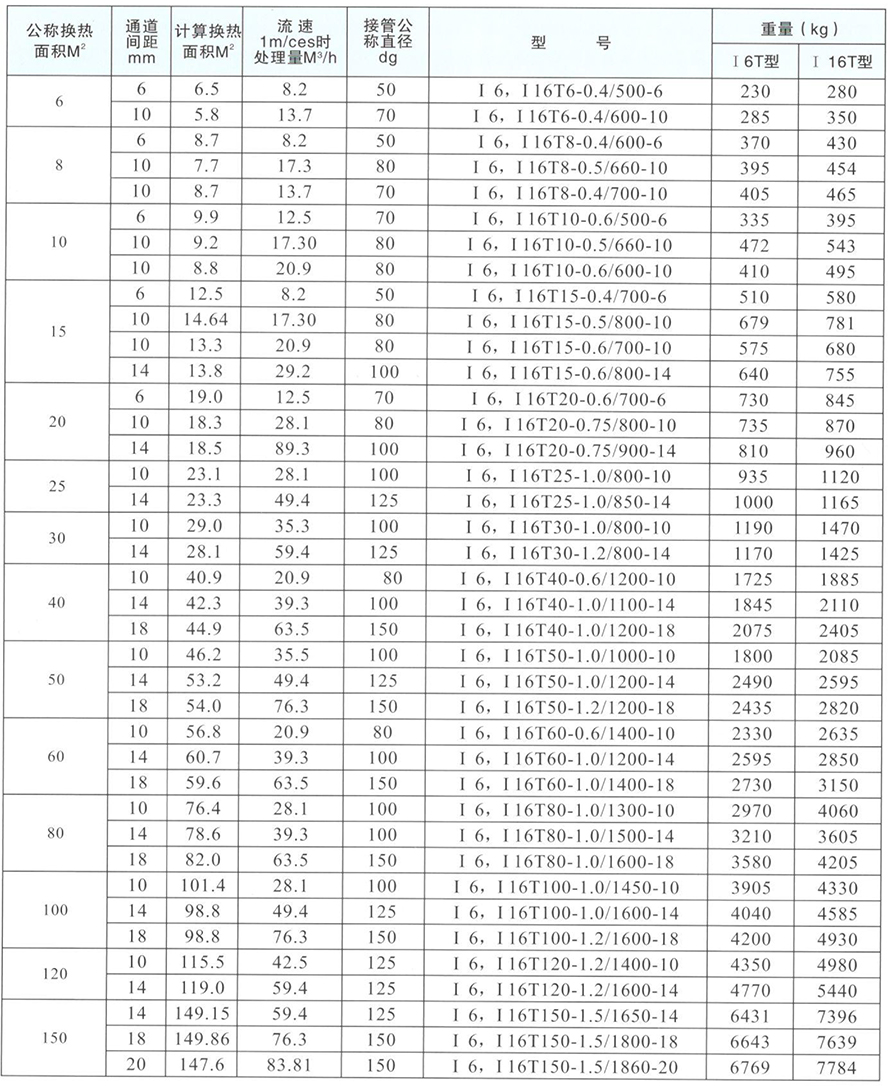
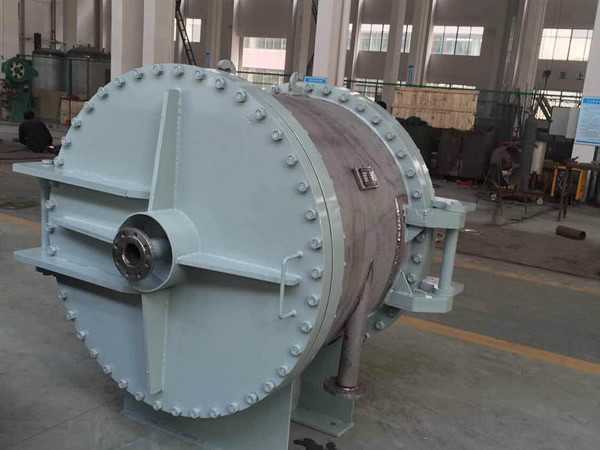
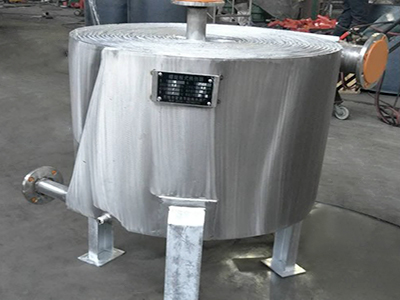
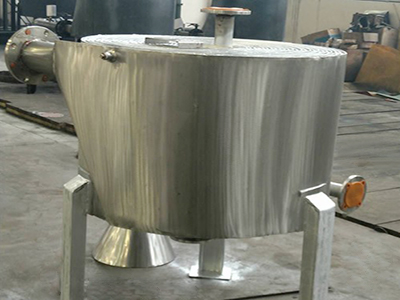
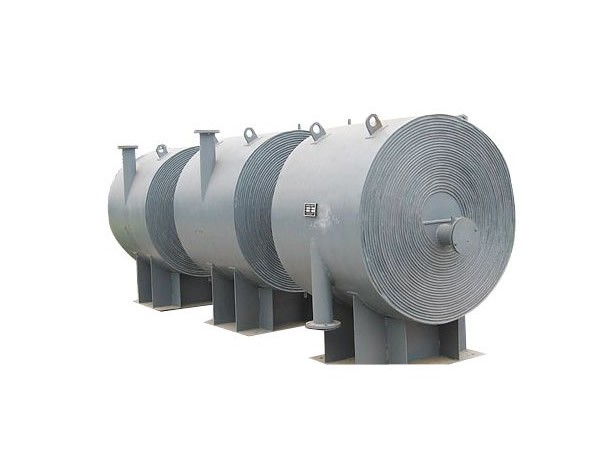
Non-detachable (Ⅰtype), detachable (Ⅱ,ⅢType) spiral plate heat exchanger
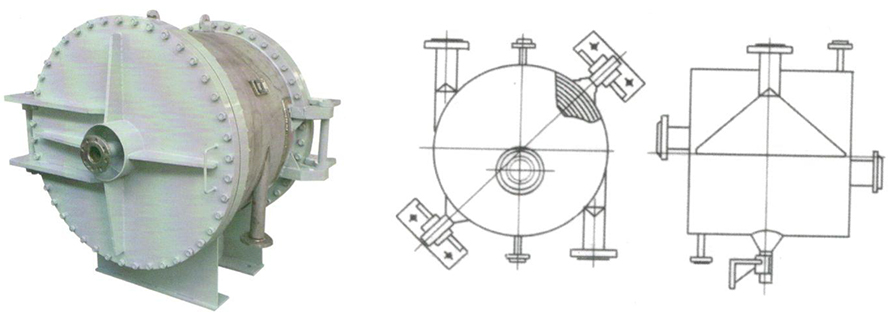
use
Spiral plate heat exchangers are suitable for chemical, petroleum, pharmaceutical, food, solvent, light industry, textile, metallurgy, steel rolling, coking and other industries.
Applicable steam-Steam, steam-liquid, liquid-Liquid convection heat transfer, waste heat recovery, can also be used for steam condensation and liquid evaporation heat transfer.
Structure and features
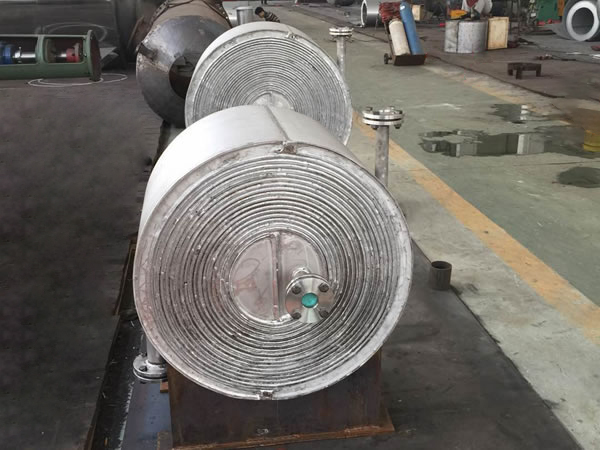
1, This equipment is made of two rolled sheets, forming two uniform spiral channels. The two heat transfer media can flow in full counter-current, which greatly enhances the heat exchange effect. Even if there are two small temperature difference media, the ideal heat exchange effect can be achieved.
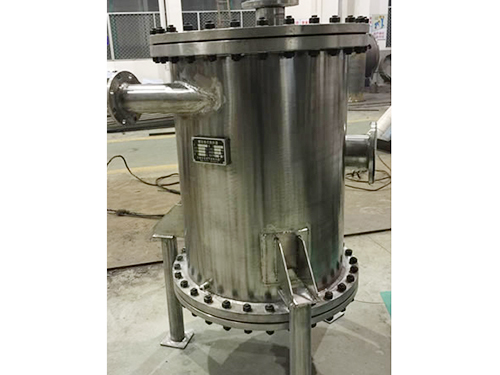
2. The nozzle on the shell adopts a tangential structure, with small local resistance. Since the curvature of the spiral channel is uniform, the liquid flows in the equipment without major deflection, and the total resistance is small. Therefore, the design flow rate can be increased to achieve higher heat transfer capacity.
3,ⅠThe end face of the spiral channel of the non-detachable spiral plate heat exchanger is sealed by welding, so it has high sealing performance.
4,ⅡThe structural principle of the detachable spiral plate heat exchanger is basically the same as that of the non-detachable heat exchanger, but one of the channels can be disassembled for cleaning, especially when using sticky,Heat exchange with precipitated liquid.
5,ⅠThe structural principle of the detachable spiral plate heat exchanger is basically the same as that of the non-detachable heat exchanger, but its two channels can be disassembled for cleaning, so it has a wider range of applications.
6, Spiral plate heat exchangers can be divided according to nominal pressurePNO.6,1.0, 1.6. 2.5MPa (Refers to what a single channel can withstandMaxwork pressure). According to the material, it can be divided into carbon steel and stainless steel. Users can choose according to actual process conditions.